





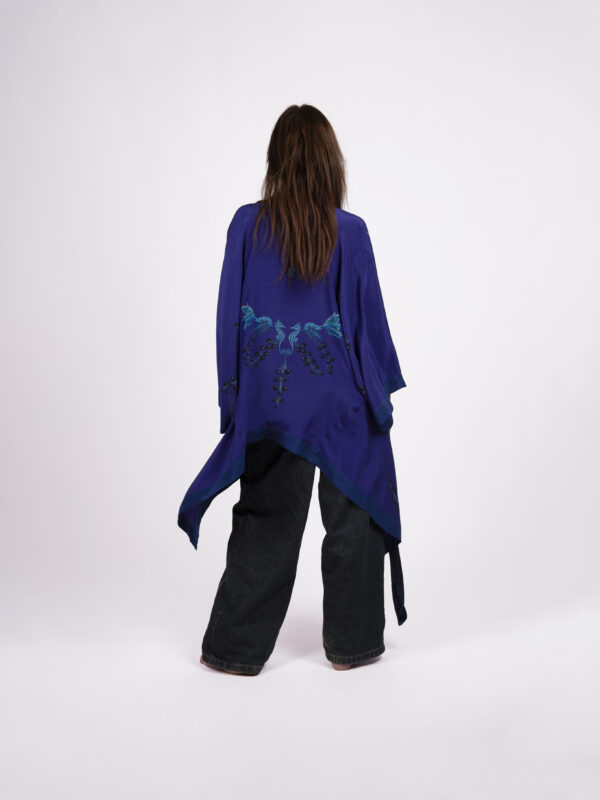
Tanel, like many Estonians, has a relationship of his own with currants. Currants are part of Estonian mythology, and his first encounters with them were, of course, in his grandmother’s paradise garden in Põlva. Along the edge of the garden stood a whole army of redcurrants: huge, well-kept, lush bushes that bore an incredible amount of berries. When they ripened, the whole family would gather around them on little stools and strip the berries into buckets. Afterwards, of course, the berries were made into redcurrant juice that saw everyone through the winter. Currant cordial was a must at every celebration.
To be honest, though, as a child he didn’t think much of redcurrants. They were simple berries, terribly sour, and if there was anything else among the cordials, say Arctic bramble or raspberry, that always went first. Blackcurrant was rarer and more precious. Once people started talking about its extraordinary vitamin content, it became even more desirable. Blackcurrants were for eating straight from the bush.
There probably weren’t any white or sweet currant bushes in the garden, but now and then we came across them in the forest while picking mushrooms or berries. Whether it was an old farmstead or just a bush that had wandered into the woods, those encounters stayed with us. They were a bit like meeting a unicorn. We had never eaten or tasted anything like them. Not that they had much taste at all.
Now these currants have found their way into Tanel’s jewellery and silk designs. Alongside the familiar clusters, there are also playful colour variations in shades of lilac, sky and the northern lights.


